Compliance Advisory Services in India: Ensuring Board and ROC Compliance
 investment readiness services
Introduction
In India's rapidly evolving business landscape, compliance advisory services have become indispensable for companies navigating complex regulatory frameworks. From board meeting protocols to Registrar of Companies (ROC) filings, businesses face mounting pressure to maintain impeccable corporate governance standards. With regulatory bodies intensifying scrutiny and penalties for non-compliance becoming more severe, organizations need expert guidance to stay compliant while focusing on growth. This comprehensive guide explores how specialized compliance advisory services help businesses meet their statutory obligations, maintain transparency, and build stakeholder trust through meticulous board and ROC compliance management.
Key Takeaways
Compliance advisory services provide end-to-end support for board governance, ROC filings, and statutory compliance requirements
Professional guidance from chartered accountants ensures adherence to Companies Act provisions and corporate tax governance standards
Systematic compliance management reduces legal risks, avoids penalties, and enhances organizational credibility with stakeholders
Understanding Compliance Advisory Services in India
What Are Compliance Advisory Services?
Compliance advisory services encompass professional guidance that helps businesses navigate India's complex regulatory environment. These services ensure organizations meet their legal obligations under the Companies Act 2013, Income Tax Act, GST regulations, and various other statutory requirements. Expert compliance services in India provide businesses with strategic frameworks to manage board governance, maintain proper documentation, and ensure timely submissions to regulatory authorities.
Professional advisors work closely with management teams to establish compliance calendars, identify regulatory gaps, and implement corrective measures. By partnering with experienced professionals, businesses can transform compliance from a reactive burden into a proactive strategic advantage that strengthens governance structures and builds investor confidence.
The Critical Role of Board Compliance
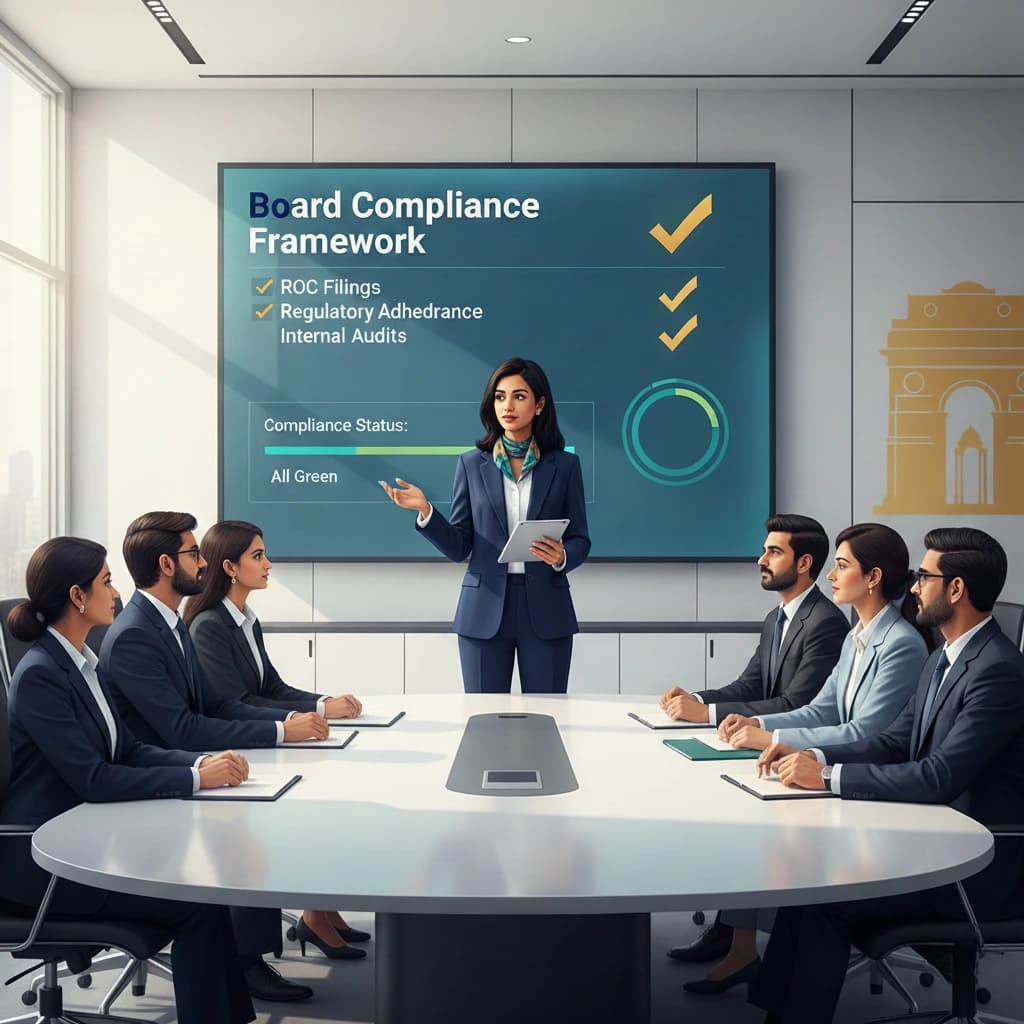
Board compliance forms the backbone of corporate governance in India. Every company must conduct board meetings following prescribed procedures, maintain accurate minutes, and ensure proper record-keeping. Compliance advisory services guide boards through mandatory meeting frequencies, quorum requirements, and resolution documentation protocols that satisfy statutory audits.
Beyond procedural compliance, boards must navigate complex decision-making frameworks involving related party transactions, director disclosures, and conflict-of-interest management. Expert advisors help establish robust board processes that not only meet legal requirements but also demonstrate ethical leadership and transparent governance to all stakeholders.
ROC Compliance Requirements for Indian Companies
Statutory Filings and Annual Return Management
The Registrar of Companies requires businesses to submit various statutory filings throughout the financial year. These include annual returns, financial statements, and event-based filings for changes in directors, registered office, or share capital. Missing deadlines or submitting incorrect information attracts significant penalties and can compromise the company's legal standing.
Compliance advisory services streamline this process by maintaining filing calendars, preparing accurate documentation, and ensuring timely submissions. Professional secretarial compliance services help companies avoid common pitfalls such as incomplete disclosures, incorrect form selection, or procedural errors that trigger regulatory scrutiny.
Managing Director Appointments and Resignations
Director-related compliances represent a critical aspect of ROC requirements. Companies must file appropriate forms within prescribed timelines for director appointments, resignations, or changes in designation. Each director must obtain a Director Identification Number (DIN) and consent to their appointment before filing.
Compliance advisors ensure all director-related documentation meets ROC standards, including consent letters, address proofs, and identity verification. They also manage the annual director KYC process, ensuring all directors submit updated information to avoid penalties and maintain their DIN active status for continued board participation.
Corporate Tax Governance Through Compliance Advisory
Integrating Tax Compliance with Corporate Governance
Corporate tax governance requires businesses to align their tax strategies with overall governance frameworks. This integration ensures tax compliance doesn't operate in isolation but forms part of comprehensive corporate responsibility. Compliance advisory services help businesses establish tax governance policies that address transfer pricing, permanent establishment risks, and international taxation considerations.
Working with experienced chartered accountants, companies can develop robust tax compliance frameworks that satisfy regulatory requirements while optimizing tax positions within legal boundaries. This approach reduces audit risks, prevents tax disputes, and demonstrates responsible corporate behavior to tax authorities and stakeholders.
Transfer Pricing Documentation and Compliance
For businesses with related party transactions, transfer pricing documentation becomes mandatory under Income Tax regulations. Companies must prepare detailed transfer pricing reports, maintain contemporaneous documentation, and justify their pricing methodologies using prescribed methods.
Compliance advisors guide businesses through arm's length pricing principles, comparability analysis, and documentation requirements that satisfy tax authorities. They help companies navigate Country-by-Country Reporting (CbCR), Master File, and Local File requirements, ensuring comprehensive compliance with India's evolving transfer pricing landscape.
Establishing Effective Board Meeting Protocols
Creating Structured Meeting Frameworks
Effective board meetings require careful planning, structured agendas, and comprehensive documentation. Compliance advisory services help companies establish meeting protocols that satisfy legal requirements while facilitating meaningful strategic discussions. This includes preparing board papers, circulating agenda items in advance, and ensuring all necessary attendees participate in decision-making.
Professional advisors guide boards on conducting meetings through video conferencing, managing participation of interested directors during related party matters, and properly recording dissenting opinions. These protocols ensure board decisions withstand regulatory scrutiny and provide clear documentation for future reference during audit and assurance services engagements.
Minute Book Maintenance and Record Keeping
Accurate minute book maintenance represents a fundamental compliance requirement for all companies. Minutes must capture board deliberations, decisions, and voting patterns with precision while maintaining confidentiality. Compliance advisors ensure minute books include all mandatory elements such as attendance records, conflict disclosures, and resolution texts that meet statutory standards.
Beyond meeting minutes, companies must maintain registers of directors, shareholders, charges, and related party transactions. Professional compliance services establish systems for updating these registers, ensuring accessibility during inspections, and maintaining the integrity of corporate records that demonstrate governance excellence.
Leveraging Technology for Compliance Management
Digital Compliance Tools and Automation
Modern compliance advisory services increasingly leverage technology to enhance efficiency and accuracy. Digital platforms help companies track compliance obligations, set automated reminders for filing deadlines, and maintain centralized repositories for all compliance documentation. These tools reduce human error, ensure nothing falls through compliance cracks, and provide real-time visibility into compliance status.
Cloud-based compliance management systems enable seamless collaboration between companies and their advisors, allowing real-time updates to compliance trackers and instant access to historical compliance data. This technological approach transforms compliance from paper-intensive processes to streamlined digital workflows that save time and resources.
Data Security and Privacy Compliance
With India's evolving data protection landscape, compliance advisory services now encompass cybersecurity and privacy requirements. Companies must implement data protection policies, conduct privacy impact assessments, and ensure compliance with sector-specific data regulations. Advisors help businesses develop comprehensive data governance frameworks that protect stakeholder information while meeting regulatory obligations.
This includes guidance on data localization requirements, cross-border data transfer protocols, and breach notification procedures. By integrating data privacy with overall tax consulting and compliance strategies, businesses create holistic governance frameworks that address modern regulatory challenges.
Benefits of Professional Compliance Advisory Services
Risk Mitigation and Penalty Avoidance
The primary benefit of professional compliance advisory services lies in comprehensive risk mitigation. Expert advisors identify potential compliance gaps before they result in penalties, helping businesses avoid financial losses and reputational damage. Their systematic approach to compliance tracking ensures no statutory deadline passes unnoticed, protecting companies from avoidable legal complications.
Professional compliance management also prepares businesses for regulatory inspections and audits. When authorities conduct reviews, companies with robust compliance frameworks demonstrate preparedness, transparency, and commitment to regulatory adherence, often resulting in smoother inspection processes and positive regulatory relationships.
Enhanced Stakeholder Confidence
Maintaining exemplary compliance standards builds trust with investors, lenders, customers, and employees. Companies that consistently meet their statutory obligations signal organizational maturity, ethical leadership, and sustainable business practices. This reputation becomes particularly valuable during fundraising activities, where investors scrutinize governance frameworks before committing capital.
Professional compliance advisory services help businesses document their governance practices comprehensively, creating evidence of systematic compliance management that reassures stakeholders. This documented compliance history becomes a valuable asset during due diligence exercises, regulatory interactions, and stakeholder communications.
Conclusion
Compliance advisory services in India represent far more than mere regulatory checkbox exercises. They form the foundation of sustainable corporate governance, enabling businesses to navigate complex legal frameworks while focusing on growth and innovation. From board meeting protocols to ROC filings and corporate tax governance, professional guidance from experienced chartered accountants ensures businesses maintain impeccable compliance standards without diverting resources from core operations.
As regulatory requirements continue evolving, partnering with specialized compliance advisors becomes increasingly critical for businesses seeking to build credible, transparent organizations. By establishing robust compliance frameworks today, companies position themselves for long-term success, stakeholder trust, and regulatory confidence that distinguishes industry leaders from competitors.
Ready to strengthen your compliance framework? Contact APCALLP's compliance experts to develop customized solutions that protect your business and enhance governance standards.
Frequently Asked Questions
What are compliance advisory services for Indian companies?

Compliance advisory services help Indian companies meet statutory obligations under the Companies Act, tax laws, and regulatory requirements. These services include board governance, ROC filings, tax compliance, and corporate governance frameworks that ensure businesses avoid penalties while maintaining transparency.
How often must companies file ROC returns in India?
Companies must file annual returns (Form MGT-7) within 60 days of the Annual General Meeting. Additionally, event-based filings for director changes, address modifications, or capital alterations must be submitted within 30 days of the event to maintain ROC compliance.
What penalties apply for non-compliance with board meeting requirements?
Non-compliance with board meeting requirements attracts penalties on both the company and officers. The company faces fines while directors may be personally penalized. Serious violations can lead to director disqualification, making professional startup advisory services essential for growing businesses.
Why do businesses need chartered accountants for compliance management?
Chartered accountants bring specialized knowledge of complex regulations, ensuring accurate filings and strategic tax planning. Their expertise helps businesses navigate Companies Act provisions, maintain proper documentation, and establish governance frameworks that satisfy regulatory requirements and stakeholder expectations.
What documents must companies maintain for board compliance?
Companies must maintain minute books, attendance registers, disclosure registers, and board resolutions. These documents record board decisions, director conflicts, and meeting proceedings. Professional company incorporation services help new businesses establish proper documentation systems from inception.
How do compliance advisory services support corporate tax governance?
Compliance advisory services integrate tax strategies with overall governance, ensuring transfer pricing documentation, advance tax payments, and TDS compliance. They establish tax governance policies that address international taxation, permanent establishment risks, and regulatory audit readiness for comprehensive corporate oversight.
What is the role of independent directors in board compliance?
Independent directors provide objective oversight, ensuring board decisions serve company interests without conflicts. They must meet independence criteria, attend board meetings regularly, and provide unbiased judgment on related party transactions, audit matters, and governance policies that protect stakeholder interests.
Can technology improve compliance management for businesses?
Yes, digital compliance platforms automate deadline tracking, centralize documentation, and provide real-time compliance status visibility. These tools reduce manual errors, ensure timely filings, and enable efficient collaboration between companies and advisors, transforming compliance from reactive to proactive management.
What are the key differences between statutory audit and compliance audit?
Statutory audit examines financial statements for accuracy and compliance with accounting standards, while compliance audit reviews adherence to specific laws and regulations. Both are essential, and investment readiness services often require comprehensive compliance audits before fundraising activities.
How frequently should companies review their compliance frameworks?
Companies should review compliance frameworks quarterly to address regulatory changes, business growth, and new operational risks. Annual comprehensive reviews ensure governance policies remain effective. Regular reviews help businesses adapt to evolving regulations and maintain continuous compliance without disruption.